TPM, Secure Boot and CPU requirements check and installing Windows 11 on unsupported hardware devices. Microsoft now requires a computer to have a TPM 2.0 module to install Windows 11. However, new registry entries have been discovered that allow you to bypass the TPM requirement and the minimum memory and Secure Boot requirements.
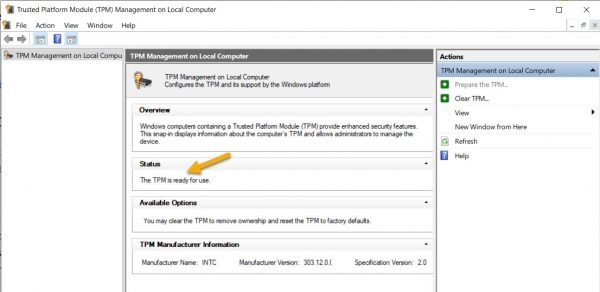
With Windows 11, Microsoft added new minimum system requirements that all devices must have a TPM 2.0 security processor to support some of the security features of the operating system. Fortunately, there is an easy way to create a USB installation disk for Windows 11 that not only avoids the TPM requirement of Windows 11, but also the need for 8 GB of RAM and a compatible CPU. With a free tool called Rufus and a 16GB or larger flash drive, you can upgrade in-place from Windows 10 to 11 or perform a clean install of Windows 11 without going through those minimum requirements. In addition to increased reliability, the supported processors increase security capabilities at the chip level. These processors provide virtualization extensions and virtualization performance improvements.

Windows 11 supports virtualization-based security which enables several security capabilities, including memory integrity, also known as hypervisor-protected code integrity . HVCI disables dynamic code injection into the Windows kernel. HVCI also provides driver control and ensures that all drivers loaded meet a policy of allowed drivers set by Microsoft and the user. The United States Department of Defense requires virtualization-based security on Windows 10 for their devices.
In partnership with our OEM and silicon partners, we will be enabling VBS and HVCI on most new PCs over this next year. And we will continue to seek opportunities to expand VBS across more systems over time. Windows 11 continues our strong commitment to compatibility. This means that devices can upgrade to Windows 11 and critical apps and devices will simply work. Raising the Windows 11 minimum system requirements enables us to better support apps and hardware for drivers and devices.
Feedback also shows us that unsupported hardware is more likely to have older drivers that are incompatible with new OS features such as VBS. Supported hardware also comes with modern drivers, which helps ensure not only the reliability we mentioned earlier, but also great hardware compatibility. Microsoft notes that you should verify your device meets minimum requirements before you boot from media. That's because you'll be able to install Windows 11 if you have TPM 1.2, but the process will not check whether your processor is on the supported list or not. This note concerns Windows 10 users who want to bypass the restrictions.
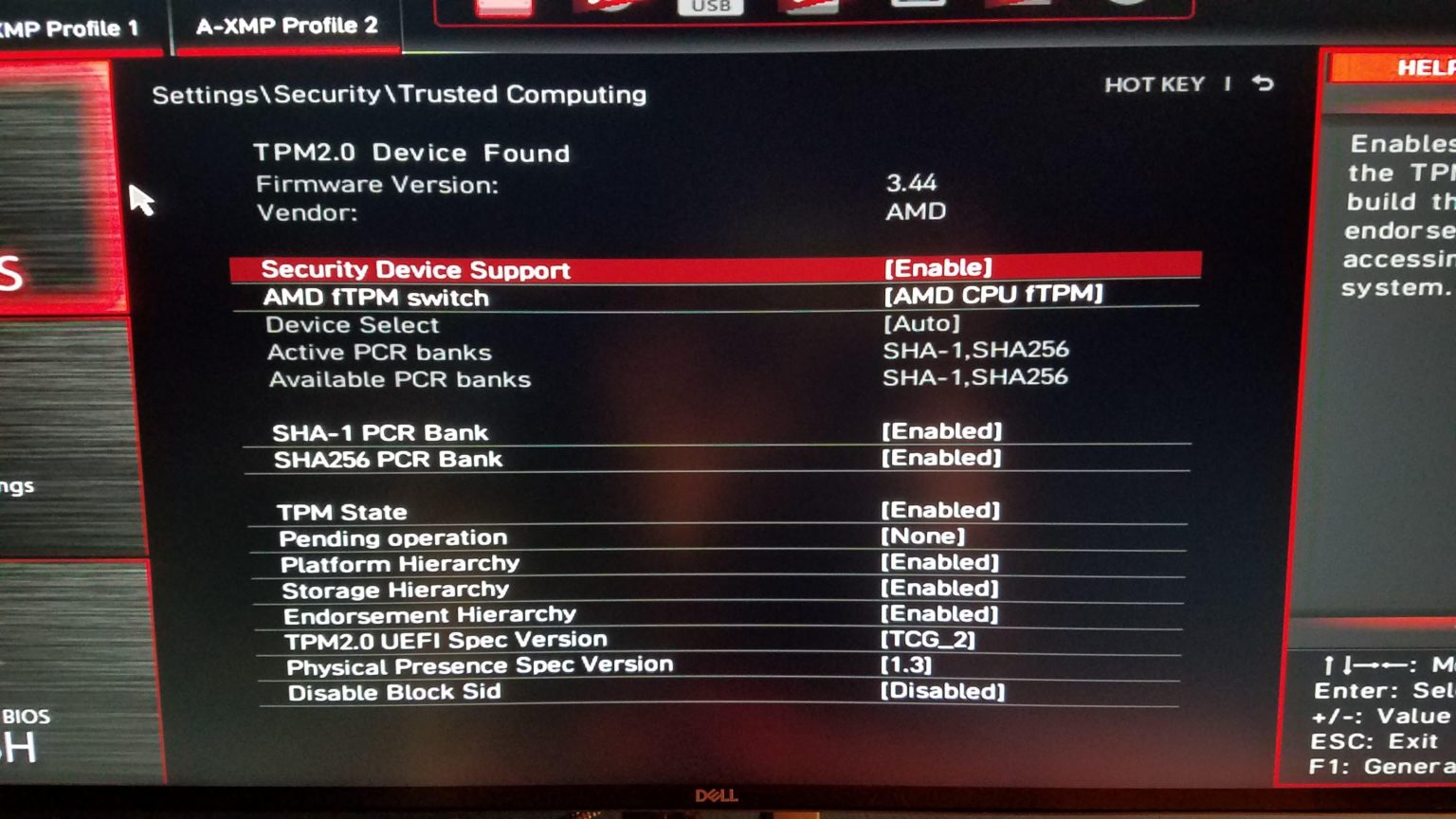
Microsoft does not support devices running on unsupported hardware, but it offers a Registry workaround to bypass the trusted platform module version 2.0 and processor requirements to install Windows 11. However, using this method, the computer will still need TPM 1.2, Secure Boot, 4GB of RAM, 64GB of storage, and a processor with at least two cores to proceed with the upgrade. Users who install Windows 11 on a device that does not meet the minimum hardware requirements may need to bypass TPM check for updates. Otherwise they may run into problems installing cumulative updates in the near future. Not only the Windows 11 installer, but also some updates may check the device for hardware compatibility.

Windows 11 Upgrade Bypass Processor Check A 3rd party software "Rufus" allows users to create Windows 11 bootable USB and disable all hardware requirements check which are performed by Windows 11 setup at installation time. Windows 11 users who have installed Microsoft's operating system on devices that don't meet the minimum system requirements may have run into troubles installing recent updates. Updates may fail to install on these devices and users may be puzzled as to why that is happening. Microsoft released the final Windows 11 build earlier this week, after several months of beta testing the new operating system. Windows 10 users who qualify for the upgrade can jump to Windows 11 right away.

That's because Windows 11 has strict hardware requirements in place that caused quite an uproar over the summer. Microsoft found itself having to explain time and again why not all Windows 10 devices can upgrade. Eventually, it relented and made it possible for unsupported PCs to install Windows 11, with some huge caveats. And now, the company provides detailed instructions on how to bypass the Windows 11 hardware restrictions. Windows 11 is finally here, and one can install the first Insider Preview on any compatible computer .
However, the new Windows brings in a lot of hardware requirements and supports only certain processors. This could be a bummer for users having older yet powerful machines. Anyways, Windows is Windows after all, and it's possible to install it even on incompatible computers.

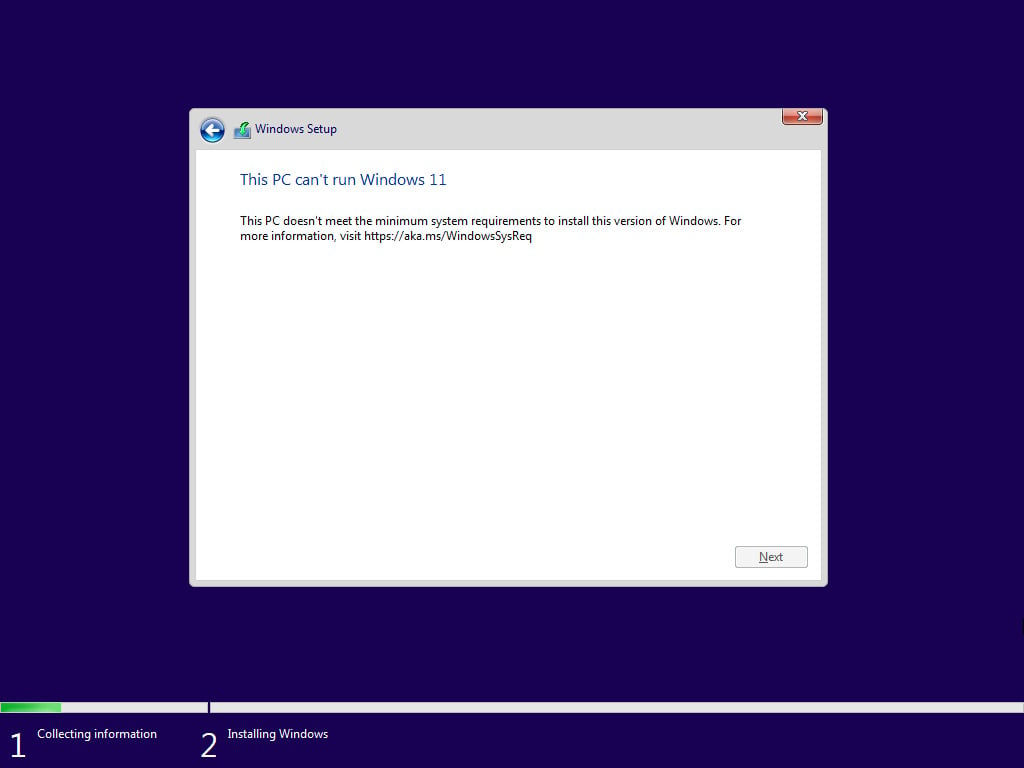
Here's how you can install the Windows 11 Insider Preview on an unsupported PC. This is another working way to disable all kind of hardware requirements check by Windows 11 setup and install the operating system on unsupported devices which are missing required chip and features. Start the Windows 11 update software, click "Change how setup downloads updates" and select "not right now", or disconnect from the Internet before pressing "Next". The reason is that there's now a new version of the updater that disables the "back" button on the "Unsupported Hardware" screen. Click "Next", after some checking, a screen "This PC doesn't currently meet Windows 11 system requirements" appears.
Microsoft recommends installing Windows 11 only after the PC Health Check has passed your system, and that requires TPM 2.0 support and a strict list of compatible processors. Proceed with caution, especially as we recommend most people skip Windows 11 for now anyway. It is a technology designed to bring robust hardware-based security to your PC. This chip helps your computer generate, store, and restrict the use of encryption keys and other security credentials on your device.
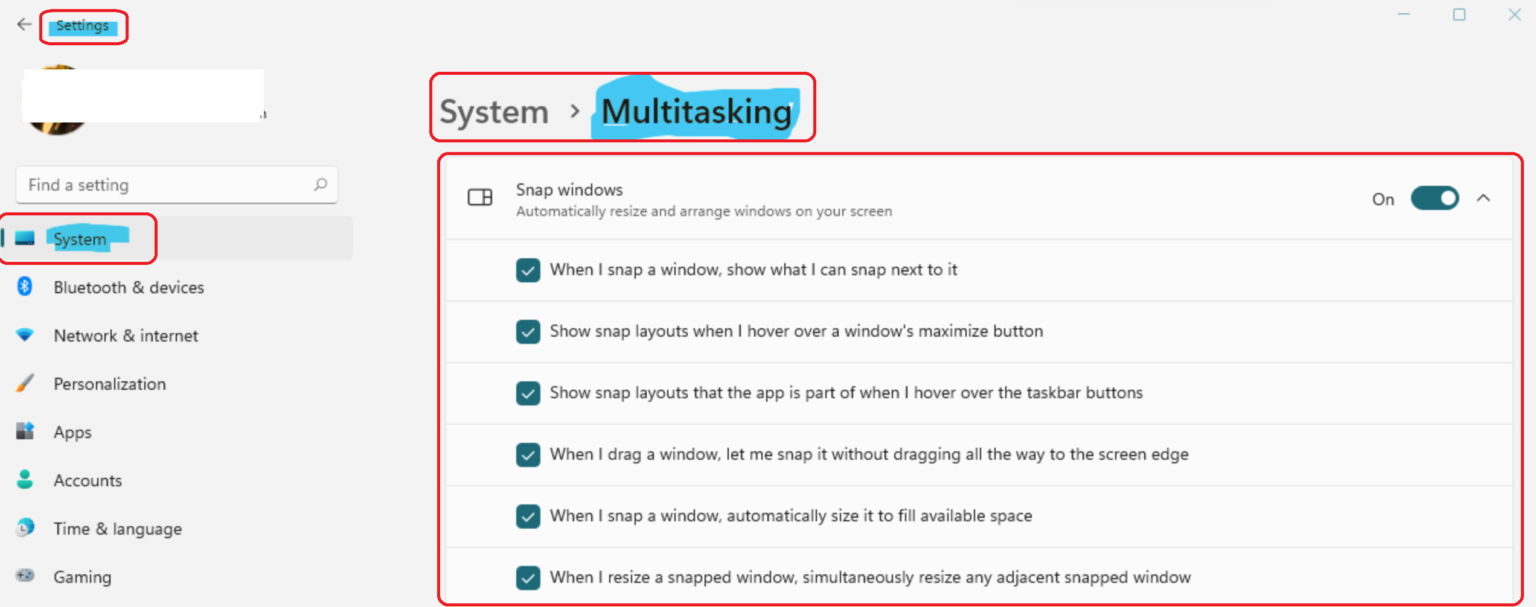
Upgrading a computer that does not meet the minimum requirements to Windows 11 is a three-step process. Then you need to edit the Registry to apply the official workaround to bypass the official requirements of Windows 11, and finally, you need to proceed with the in-place upgrade process. If you did all this correctly and you meet the other Windows 11 hardware requirements, the Windows 11 Installation Assistant should now skip the TPM 2.0 check when you run the upgrade.

You'll be given a choice to perform a Full Upgrade, Keep Data Only, or Clean Install. A Full Upgrade keeps apps, settings and files; Keep Data Only keeps personal files as well as drivers. A Clean Install nukes the Windows 10 install entirely and replaces it with Windows 11. For those who are using a PC that won't upgrade, and who aren't ready to transition to a new device, Windows 10 is the right choice. We will support Windows 10 through October 14, 2025 and we recently announced that the next feature update to Windows 10 is coming later this year. Whatever you decide, we are committed to supporting you and offering choice in your computing journey.
If you want to see the full Windows 11 minimum system requirements, you can visit this page. Knowing that some users may want to install Windows 11 on systems that don't meet all the hardware requirements, Microsoft has provided a registry hack that will relax them a bit. This hack allows you to install on a system that has at least TPM 1.2 and an unsupported CPU.

However, we recommend the above scripts as they do not require any TPM. You'll be given a choice to perform a Full Upgrade, Keep Data Only, or Clean Install. This PC doesn't meet the minimum system requirements for running Windows 11 - these requirements help ensure a more reliable and higher quality experience. Installing Windows 11 on this PC is not recommended and may result in compatibility issues. If you proceed with installing Windows 11, your PC will no longer be supported and won't be entitled to receive updates.
Damages to your PC due to lack of compatibility aren't covered under the manufacturer warranty. As for the upgrade, Windows Update optimizes the update engine in Windows 11, and the cumulative update package will be 40% smaller than Windows 10. Microsoft also promises to provide free upgrades for Windows 10 users. Ironically, the company itself posted official guidance on its website detailing how to circumvent the TPM 2.0 requirement. The process involves taking your Windows 10 machine and changing the registry key values in the OS to ignore the check for TPM 2.0. However, the bypass only applies to PCs that have at least TPM 1.2, which has to be enabled.
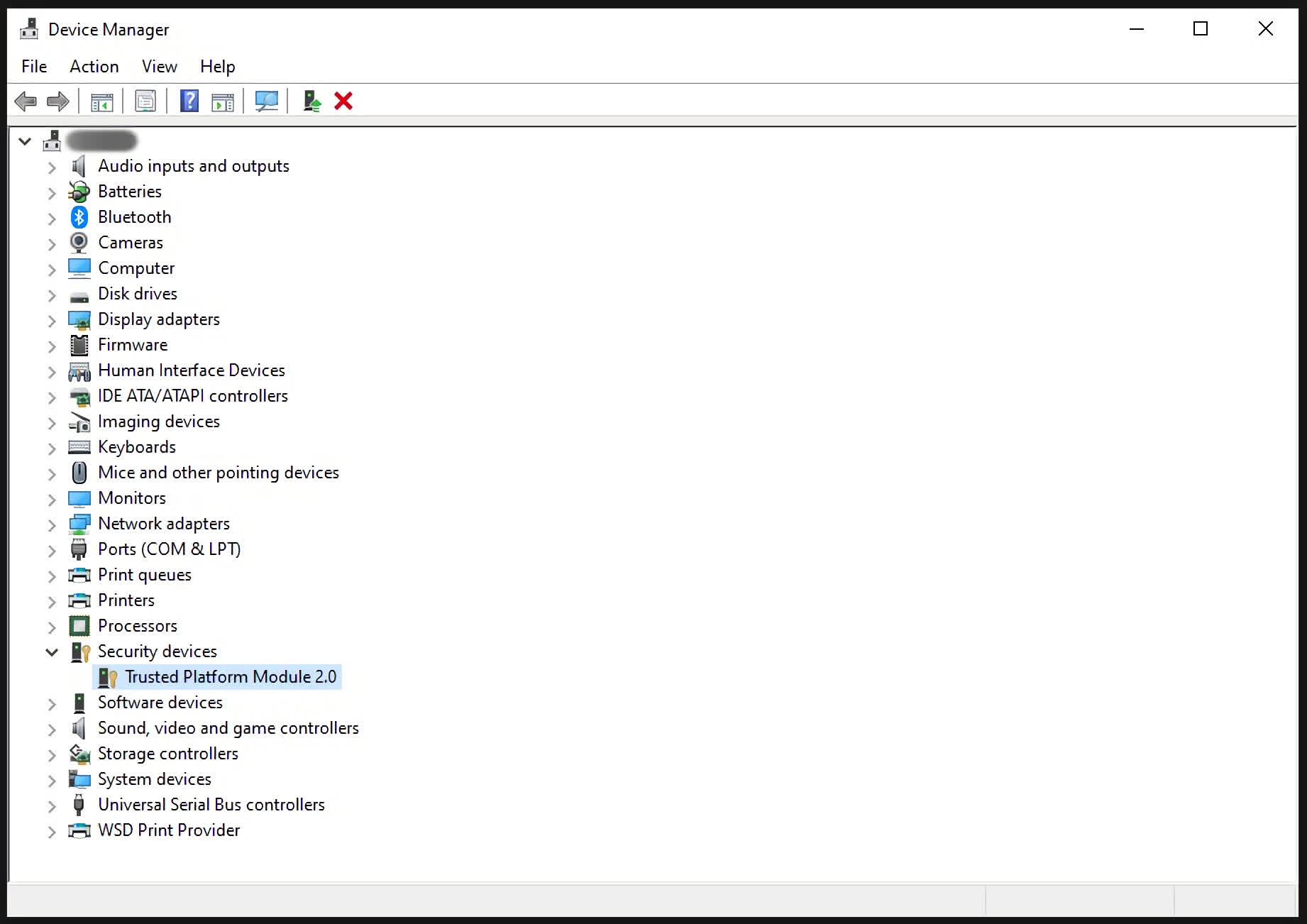
This can usually be done by going into the machine's BIOS settings on startup. If you really can't do the above or just want to take the new OS for a test drive, however, this is how you install Windows 11 on unsupported hardware. I think the statement Microsoft made was that they "may" block updates on unsupported hardware.

So it might work now, but stop working in the future. Or you might not be able to update to the later builds of Windows 11 when they come out. Following the results of our testing, we are making a small number of additions to the compatible processor list , but otherwise will maintain the minimum system requirements as originally set. This is quite unclear for now as very few updates have been released from Microsoft since the Windows 11 stable release. According to official reports, you will need to manually reinstall or upgrade to a newer version of Windows 11 by downloading the ISO in the future. This all is yet to be confirmed, but it seems that it will be a bit difficult to get updates in the future, however, we expect third-party utilities that help with the same to crop up soon.

Once you complete the steps, the computer should upgrade to Windows 11, bypassing the TPM 2.0 and processor requirements. Since this is an in-place upgrade, the settings, apps, and files will be transferred to the new setup automatically. With Windows 11's strict minimum requirements, it has become quite difficult to get the Windows 11 upgrade on older PCs. Your PC needs to have TPM 2.0 and supported x64 CPU in order to install Windows 11. And you get the "This PC can't run Windows 11" error if you try to upgrade an unsupported PC.
However, Microsoft now officially allows you to bypass TPM 2.0 and CPU requirements for installing Windows 11 on unsupported PCs. The Windows setup has an "appraiser" service that checks to see if your computer meets the minimum hardware requirements for that version. It's possible to replace the file in the Windows 11 setup with one from an older build of Windows 10. You can use the Rufus utility to create a bootable USB with settings that disable TPM requirements. This setting also disables RAM and CPU requirements, essentially making your installation media compatible with almost all devices that fall short of Microsoft's requirements.
In this method, I will show you how easily you can bypass all Windows 11 installation requirements like TPM, Secure Boot, and also the minimum 8 GB RAM requirement. Just you have to follow the given steps where I have used the Rufus tool to create a custom installation media without all these requirements checks. If you're experiencing issues after upgrading to Windows 11 and your device does not meet the minimum system requirements, we recommend you go back to Windows 10. This option is only available for 10 days following your upgrade, after which time the files needed to perform this function will be removed to free up disk space on your device. The app will also link to info that details steps you can take to make your device meet the minimum system requirements. As a brand new and much changed operating system, many users are curious about Windows 11 and want to find out what it is all about.

However, due to the existence of minimum system requirements, many users have received "This PC can't run Windows" prompt, and the most common reason for this is the lack of secure boot or TPM 2.0. If you do change the registry values, be careful to type the values correctly, otherwise you risk corrupting the OS. Once the registry key values are changed, you can begin manually installing the operating system using the Windows 11 media creation tool, which can create the installation files on a USB drive. There is another way to disable Windows 11 hardware requirements check and create a bootable USB drive from Windows 11 ISO file.
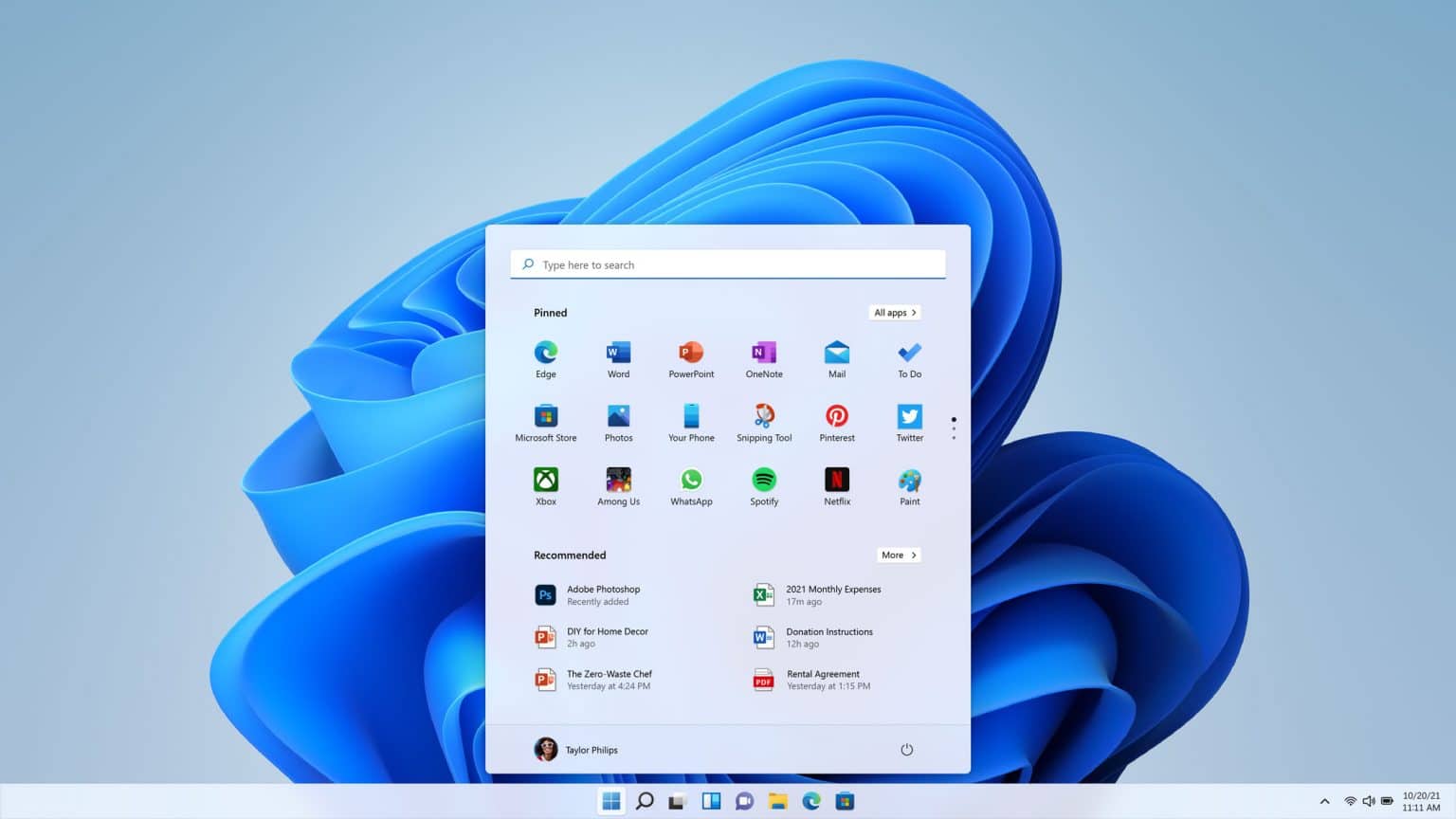
You can use the bootable USB drive to clean install Windows 11 in your system. After a heavy buzz of rounded-corners design and android apps support following its announcement in August, Windows 11 finally arrived earlier this month on October 5. The arrival certainly means big for Microsoft Windows fans as they are getting to try their hands on the brand-new operating system. But not everyone is happy with the arrival of the latest update, thanks to a big if that came with the promise of a free upgrade to Windows 11. However, it's quite possible to run Windows 11 on a PC that doesn't meet all the minimum requirements.

Logically, this environment needs the tools for such repairs, including a Registry Editor and a Command Prompt. It also has its own Windows Registry, which tells it how to go about installing Windows. With this Registry mod, you're making the installer overlook multiple system requirements, meeting, including "TPM Check," which checks for a TPM 2.0 compliant module , whether Secure Boot are met. Exactly how this will play out is not clear, but some users have reported receiving updates on unsupported installations.

Rather than intending to punish users with older hardware, it is more likely that Microsoft is covering itself against the possibility that some updates will not work. It would be a mistake to bypass the requirements on production systems that work well with Windows 10, or on hardware that is still under warranty. Rufus, a free utility, allows you to create a Windows 11 installation disc on a USB flash drive with settings that disable TPM, RAM, and CPU requirements. You can boot from this USB flash drive to perform a clean install of Windows 11, or run the setup file from the drive on Windows 10 to perform an in-place upgrade. When checking for compatibility with Windows 11, you will see this message "This PC Can't Run Windows 11", but you still want to install Windows 11?

In this tutorial, we will see how to bypass the TPM 2.0 and processor model check to force install from Windows 10 to Windows 11 on an incompatible PC using the MediaCreationTool.bat utility. There's a simple Registry change you can perform to make Windows 11 work on older unsupported hardware. It's important to note that Microsoft may hold back cumulative updates for your machine if you bypass TPM and UEFI Secure Boot requirements, however. This doesn't bypass a CPU check, which does not seem to be present in the dev builds.

If Microsoft changes this, other work around might apply in future. Do not expect Windows 11 to work flawlessly just because you installed it on a unsupported hardware. So, that was how you can bypass TPM and CPU requirements on unsupported PCs and install Windows 11 upgrade.

However, your PC must meet other basic requirements related to RAM, HDD, Secure Boot, Graphics Card, and Display. The official registry trick provided by Microsoft sure works but it still warns you about possible performance and security issues on unsupported PCs. Next, open Windows 11 installation media and run setup.exe from there. Click Next and you will see a warning about your PC not meeting minimum requirements. But you can click Accept button to bypass TPM 2.0 and CPU requirements for Windows 11 upgrade. Microsoft did announce previously that it would not guarantee that any kind of updates would install on devices that would not meet Windows 11's minimum system requirements.

It appears that some updates check for requirements, and if these are not met, won't install on devices. By late August, Microsoft relented, saying that Windows 10 users with incompatible hardware will be able to upgrade to Windows 11. But the process wouldn't be as seamless you'd expect. Rather than moving from the current Windows 10 installation to Windows 11, you'd have to perform a clean Windows 11 install on the unsupported PC. That meant you'd have to move your data manually to Windows 11 after the installation completes.

Windows 11 is currently available as an update for eligible Windows 10 PCs. If you do not meet at least one of these requirements, you will receive a message saying "This PC doesn't currently meet Windows 11 system requirements". This means not everyone is offered the update immediately. When your PC is ready, a big pop-up will appear in Windows Update that will allow you to start the download and install process. If you manage to pass the compatibility, scroll down to the bottom for steps on installing Windows 11 through the official Insider program.


